12 to 14 killed and villages burned in Yasin locality, East Darfur
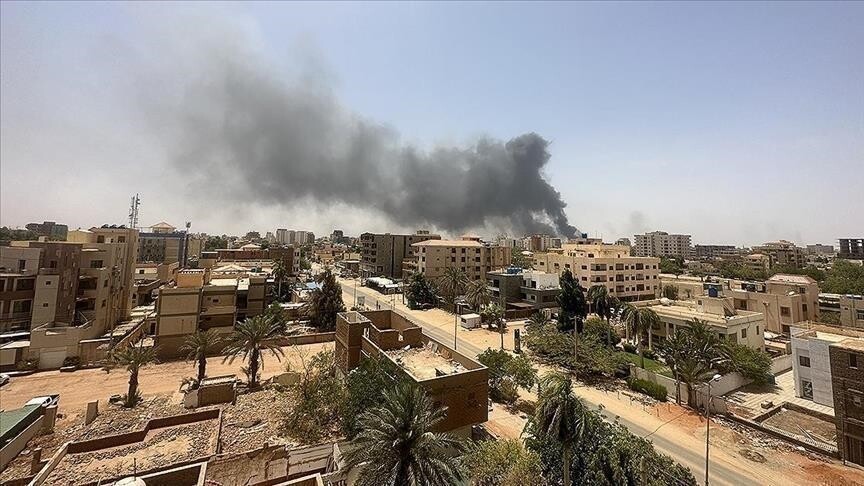
Attacks and violence over three days in Yasin locality of East Darfur state left at least 12 people dead, villages and farms burned, and residents displaced. The two accounts differ on the death toll and on how events should be described.
The Sudan Human Rights Monitor said in a statement posted on X that the villages of Sharm, Muhajiriya, Kasab, Suleia, Kulaiit and other villages in the locality had been subjected to "systematic attacks" carried out by the Rapid Support Forces (RSF), and that these had killed 12 people in a preliminary toll, in addition to injured and missing people. The monitor said it had identified eight of the dead, and that five villages had been burned completely and farms and food crops destroyed. It quoted activists and monitors as saying that what had happened was a serious indicator of "ethnic cleansing". The monitor condemned what it described as crimes against civilians, called for them to stop immediately, and urged the United Nations and the international community to act. The RSF has not commented on the statement, according to Anadolu Agency.
Darfur24, for its part, reported that the dispute between herders and farmers had spread from the town of Kasab to the town of Shuroom, and that the death toll had reached 14 on both sides, with dozens of families displaced from their villages and farms. It quoted residents as saying that the dispute began over livestock entering fields, and that it had turned into armed clashes and the burning of villages and crops.
According to the newspaper, the events began on Monday in Kasab when herders brought their livestock into existing farms, a quarrel broke out with farmers, and one herder opened fire, killing three farmers. Native administrations in Yasin and Asalaya localities moved to contain the situation, but the calm did not last, and attacks resumed over the following three days.
Since the war between the army and the RSF broke out, East Darfur state has seen repeated communal conflicts in its rural areas, amid competition over land and water compounded by climate change and desertification, and the absence of an effective authority to enforce security, according to Darfur24.