Burhan says RSF attacks Sudan from neighbouring countries and aggressors will pay
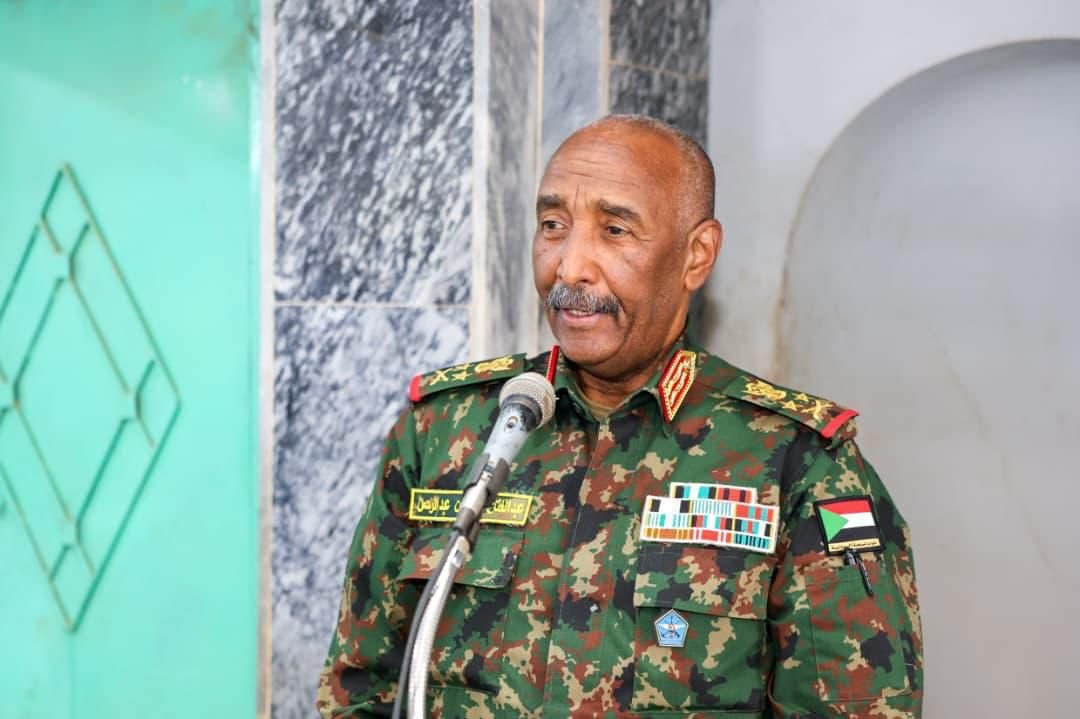
Sudan's head of the Sovereignty Council and army commander, Abdel Fattah al-Burhan, said Rapid Support Forces (RSF) attacks on Sudan are being launched from Libya, Ethiopia, Chad and South Sudan, and that "most of the neighbouring countries have become part of our fight". He vowed that anyone who attacks the Sudanese people or reaches out to target them "will pay the price".
His remarks came during a ceremony honouring wounded fighters of the Joint Force, organised by Darfur governor Minni Arko Minnawi. Sudan Tribune reported that the ceremony was held in Omdurman, while Tag Press said it was in Khartoum. Burhan said some countries are using their financial resources to support the war against Sudan, and that the state, despite its circumstances, will be able to regain its positions and rights. He said the battle is not against any particular tribe, and that there will be no place among Sudanese for those who have spread terror in their hearts, according to Sudan Tribune and Tag Press.
Burhan praised the role of the Joint Force in supporting the army, describing it as one of the factors behind the country's resilience, and said its members are part of the Sudanese Armed Forces. He announced a donation of $5 million to a fund for the care of wounded Joint Force fighters, to be handed over immediately, and pledged, according to Tag Press, to provide their medical and living needs, including prosthetic limbs, and to cover the cost of sending cases that need treatment abroad. He also called for attention to the families of the fighters, noting that some have lost relatives.
According to Sudan Tribune, the remarks come against a backdrop of repeated accusations by the Sudanese government that neighbouring countries, which it said are linked to the UAE, are providing support to the RSF, including facilitating the arrival of military and logistical supplies. Sudan had lodged complaints with the UN Security Council about what it described as interventions by the UAE, Chad and Ethiopia in the war, which those countries have denied.